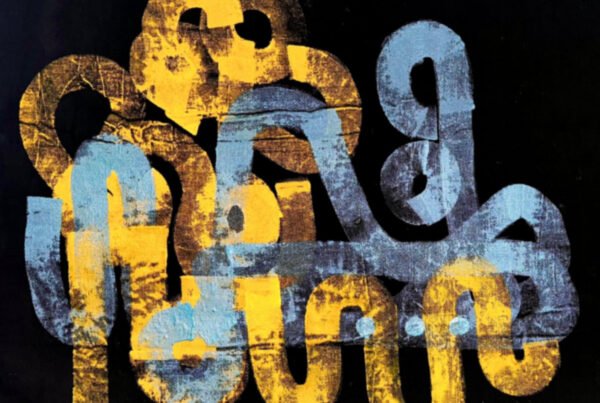



Be Quiet finds Nils Petter Molvær shifting his musical continuity in subtle ways while preserving his overall artistic identity.
Release date: July 10, 2026 | Edition Records | Bandcamp | Instagram | Website
Scandinavian jazz has had an unexpected impact on the genre as a whole over the past few decades. Its propensity for the pastoral has lent an unmistakable ambient edge to the works of multiple generations of performers at this point, from Jan Garbarek over e.s.t. to contemporary acts like Svaneborg Kardyb. These traits have begun to spill over into the jazz repertoire at large, which can be observed in the abundance of electronic influences and overall focus on soundscapes throughout the scene.
One of the key players to bring (ambient) electronica into the world of jazz is Norwegian trumpeter Nils Petter Molvær, whose inimitable sound has made him a celebrated solo act and sought-after collaboration partner ever since he turned heads with his 1996 debut Khmer. Expanding upon the electronic trumpet explorations of Jon Hassell, he added hints of techno, dub, and hip hop to create a burgeoning mixture of analog and digital wizardry.
30 years and an already groundbreaking discography later, Molvær turns to a handful of trusted collaborators and newfound co-conspirators to give us an expansive album of duo compositions, revealing a continued mastery of his signature sound.
Nine songs, nine artists, (almost) nine cities – the concept for Be Quiet couldn’t be any more straightforward, but that’s only where the magic begins. Every locations sees Molvær interact with a hand-picked musician, among which are famous names such as Imogen Heap or John Paul Jones, as well as underground legends such as alva noto or respected jazz journeywoman Marilyn Mazur. Each of these partners bring in their own instrument of choice, their own signature talents, enhancing the already staggering accolades Molvær brings to the table with their unique creativity.
“Bangkok” profits from the beautiful sounds of the guzheng, a Chinese zither, played by Chang Jing; her quick runs and delightful interjections on this ancient instrument turn the album’s opening track into a revelatory duet between different times and traditions. While some of the more electronica-forward tracks are more geared towards Molvær’s classic approach, it’s the leftfield contributions that skew Be Quiet firmly into the direction of the unknown.
John Paul Jones, legendary bassist of the revered Led Zeppelin, appears on track 4, named after Finsbury Park in London – not on his signature instrument, however. Instead, he handles the piano, delivering a spry yet tactful performance that meshes well with the sparse trumpet exclamations. The duo of London tracks is broken up by a visit to Copenhagen, where Marilyn Manzur gets to decorate the soundspace Molvær created with her percussion one last time – she passed away in December 2025. Back in London (Hackney, to be exact), Imogen Heap enters a duet with the trumpet by adding wordless vocalizations to the track, which is further enhanced by the touches of producer Jan Bang.
Be Quiet is atmospherically dense, and surprisingly homogeneous in its overall aesthetic despite the collaborative focus. This can be seen as both a benefit or a detriment to its value depending on what you expect to get out of the album as a listener. I personally cherish the clear artistic direction, but I also enjoyed the unexpected elements brought in by some of the musicians invited to assist in the creation of this album. For example, Soheil Shayesteh’s kamancheh on track 8 (“Amsterdam“) is nothing but a delightful surprise, enhancing the already plaintive mood with the sound of this traditional Iranian instrument.
Two German entries later – “Berlin” and “München”, accompanied by alva noto and Anja Lechner, respectively – Be Quiet finds its end. It’s an album of continuity and partial recalibration, adding subtle new hints to the established Nils Petter Molvær canon, which has always been marked by a heightened willingness to explore and collaborate. As it stands, Be Quiet should come to be regarded as another highlight in a discography studded with ground-breaking achievements.