

The sophomore album by the NYC experimental outfit YHWH Nailgun can convince us that universes fit into atoms.
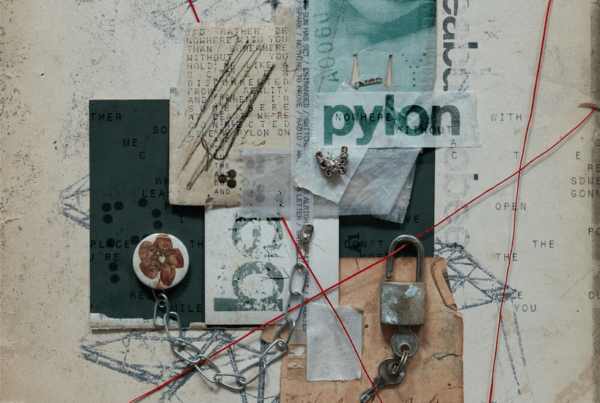
Behold the stranger on the cover: there’s something remotely human about the facial features but the work seems raw, violently unfinished. Yet, the things you feel about it mysteriously come from what you can’t see, from all the missing details and the unseen angles. The same can be said about YHWH Nailgun’s music; there are many hidden worlds in the shadows of their sophomore album Magazine – the 11-minute phenomenon that had the Internet talking, joking, or even feeling angry about its short duration. Let’s ignore these opinions for a while. After all, this is not an album to keep us spoiled listeners satisfied. This is the time for madness. For mystery. For more questions.
From the days when the Velvet Underground revolutionised pop music to the extreme jazz metal extravaganzas of Imperial Triumphant, and from the brilliant rock symphonies of Glenn Branca to the majestic no wave legacy of Swans and the likes, I always felt that New York City is the absolute capital of experimental rock. Nevertheless, when YHWH Nailgun made their debut appearance in 2025 with the extraordinary 45 Pounds, I was unimpressed, at first. I thought that, as the new hot product of the NYC scene, they were overhyped – at least to the expense of fantastic underground bands like Open Head. Looking back, I now realise that I hadn’t fully understood their sound. When I finally watched their KEXP performance, everything became clearer, and way more interesting.
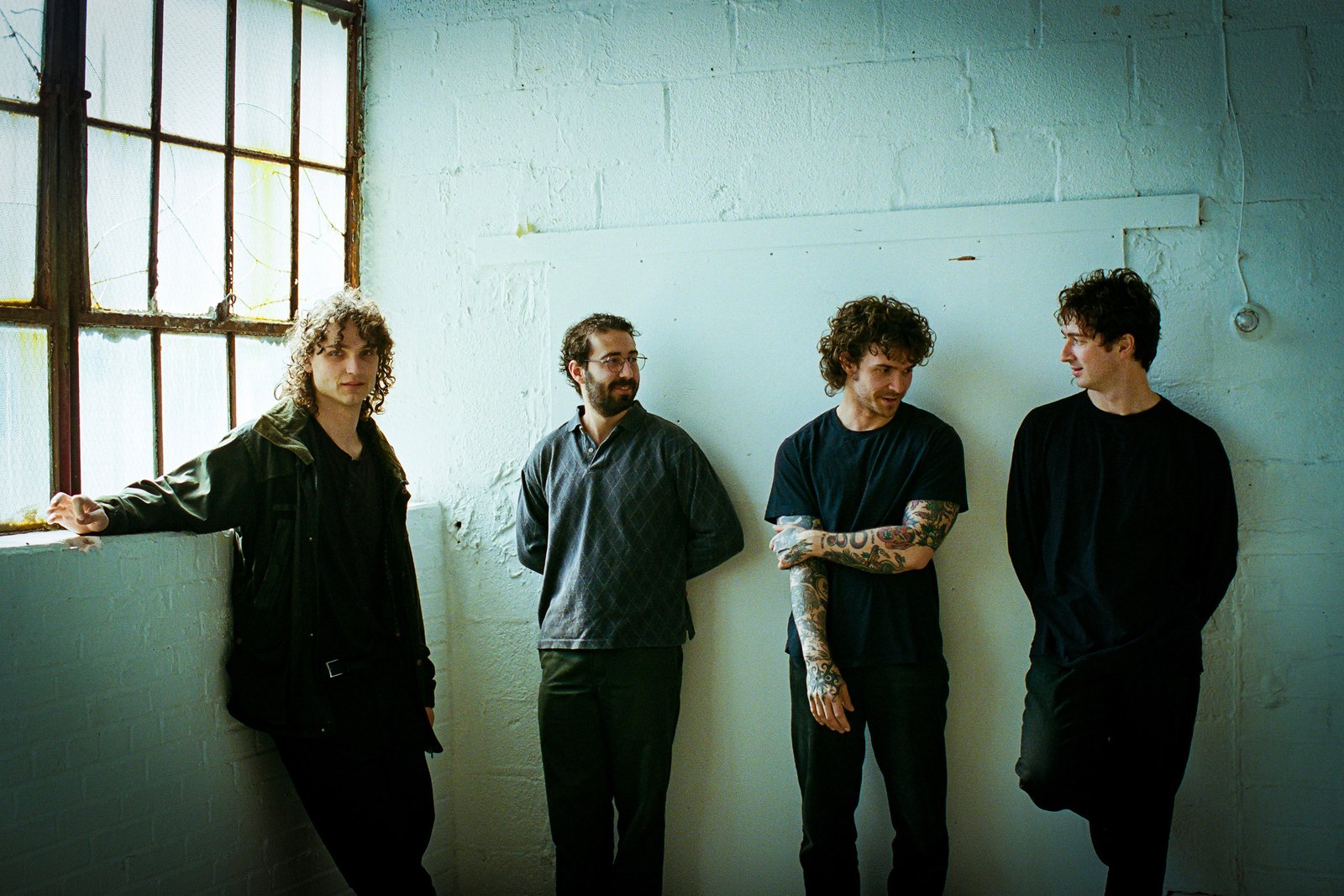
Analysing the components of their music, Sam Picard’s drumming obviously deserves praise: his performance is highly skilled but frantic, sounding mechanical and profoundly organic at the same time. Suguiv Rosenstock’s guitar is equally dominant and mysterious, mainly because what we hear is a super-wet signal (heavily driven through multiple effects) that never resembles typical guitar sounds. This is a very interesting approach that you can also find in bands like Model/Actriz or Just Mustard, with the guitar sounding like a cold metallic echo of something once warm.
On a similar note, Jack Tobias’ synthesizers come and go as they please. Sometimes providing a noticeable low-end foundation and others building nightmarish high-pitched frequencies, he and Rosenstock create an enigmatic sound knot that’s sometimes impossible to figure out. On top of everything, Zack Borzone’s vocal performance is grotesque. And fantastic! Look at him when he sings – hard to tell if he smiles, grins, or if he’s in pain. The whole thing seems delirious but in an extremely appealing manner. Stylistically, he uses elements from industrial, noise-rock, and post-punk, but (like the stranger on the cover) there are unseen angles; for example, the subtle rhythmic hip-hop performance in “To The Devil”.
The four instruments float within the extremely short compositions almost like they are independent. There are moments when they sound like they are ready to lock in a specific idea but, very often, they wander abstractly, desperately avoiding any definitive form. This is a time for madness – not for finalised structures! There are some very discreet exceptions: you can almost dance to the groove of “Ballerina”, you can sense that “Innocent Sigh” or “Sewer Tree” could turn into great pop songs in another dimension. The sound of YHWH Nailgun is undoubtedly unique and fresh. But of course, if you dig really deep, you may find distant associations with experimental rock giants like The Residents or This Heat, or even Einstürzende Neubauten, especially since they mostly convey a post-industrial feel within their music – a feeling that’s highly rhythmic, cold, and machine-like.
Some people find Magazine to be extremely short. The truth is it’s extremely condensed. In songs that last for less than two minutes, one can find restrained intensity and unexpected twists, like the threatening, heavy part in “Give Blood”, the short explosion in “Sewer Tree”, the brutal surrealism of the album’s title track. And while they sound raw, and violently unfinished (like the cover’s sculpture), there are secret worlds within them. Is this compositional strategy an indirect commentary regarding the audience’s short attention span? Maybe it is. I prefer to see it as a challenge; Magazine questions the very notions of size and structure in art. It implies that universes may fit into atoms.
It started as a game. It ended up being one of the most interesting musical enigmas of the year so far. And while I’ve listened to Magazine dozens of times, it keeps shape-shifting with every new spin, always in a state of open dialogue with the listener. YHWH Nailgun’s music is simultaneously unfinished and refined in every detail. Always a stranger. Remotely human. God himself (Yahweh) hides in the band’s name but let’s ignore him for a while. This is a time for madness, for mystery, for raising more questions.
Artist photo by Marisa Banan