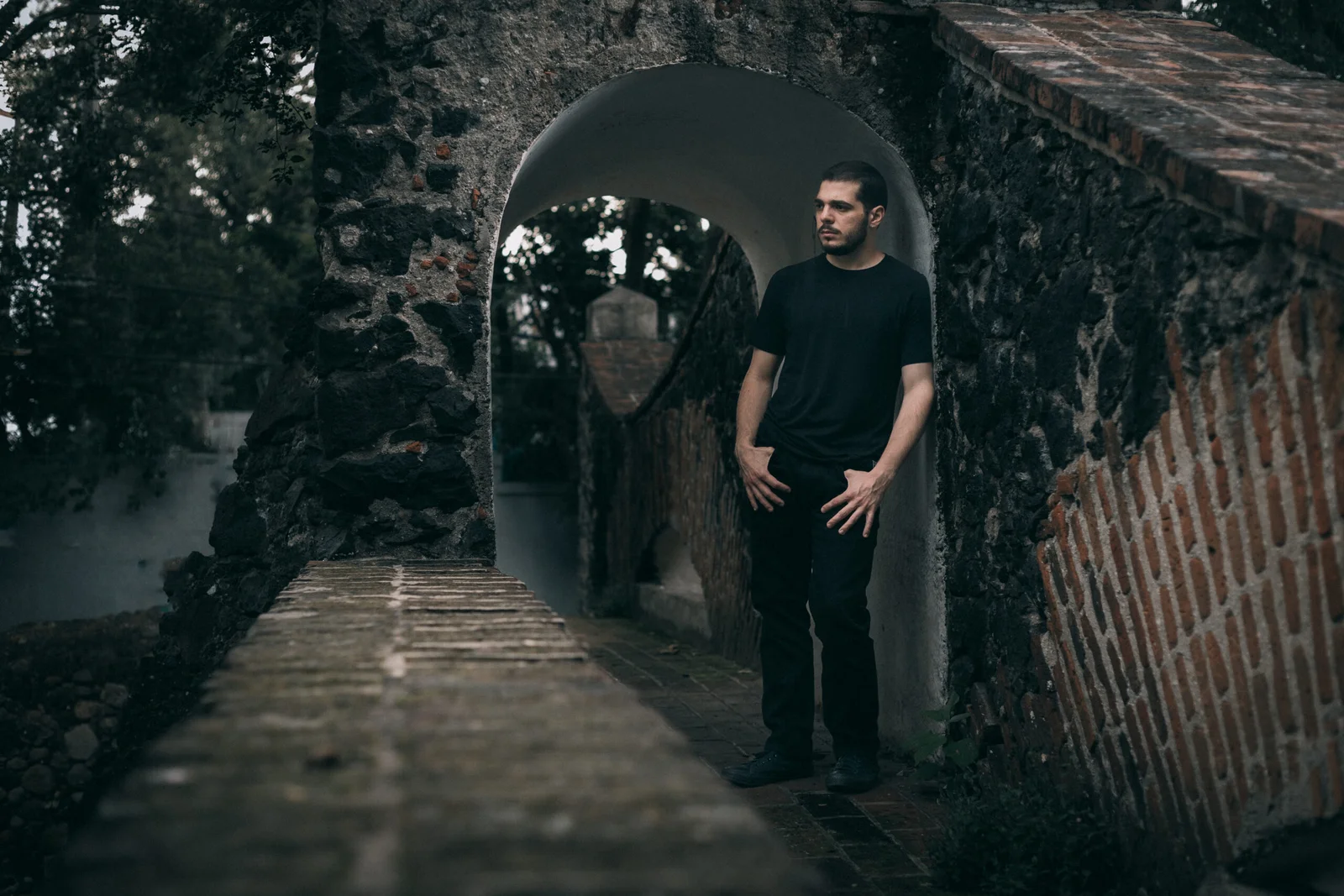
On Cathexis, Mexico City’s Anuar Salum aka Phendrana cooks up a heaping slab of progressive black metal – and has a blast doing it.
Release date: February 6, 2026 | Independent | Instagram | Facebook | Bandcamp
If black metal is known for anything, it’s the raw, harsh, recorded-in-a-janitor’s-closet aesthetics of its sound. Tens of thousands of articles can be found online defending the genre’s general lack of low end and willful embrace of outsider ethos; to most listeners though, black metal is borderline (or fully) unlistenable. It’s part of the appeal, right next to sub-KISS face paint made to resemble a corpse but often just looks clownish. These factors are deeply intwined with black metal’s status as a refuge for the freaks of the world who don’t fit in; of course you still have to, but in a different way (way back when I did stand-up, I told a joke calling black metal ‘its own little anti-religion religion‘). I mean, who DOESN’T feel like an antisocial, church-burning murderer from time to time?
What’s been more interesting is seeing the cross-hatching of black metal with other styles over the years. France’s Alcest mixed in pretty shoegazing, Oregon’s Agalloch emphasized folk and post-rock elements, while Norway’s Ulver – one of the major players of 90s black metal – switched genres entirely after a few albums into moody electronica and trip-hop. Other bands like Deafheaven have broken the sound to a wider audience (albeit still a fairly niche one) with refined production 180 degrees removed from its lo-fi roots. If black metal’s appeal once lay in its amateurish presentation, then Mexico City’s Anuar Salum – better known as Phendrana – seeks out new frontiers while utilizing its sonic template.
Despite only having one other album – 2018’s Sanctum: Sic Transit Gloria Mundi – to the Phendrana name (which comes from an area in the Metroid video game series), Salum concocts a mature, impressive brew on Cathexis. Together with a host of guest musicians, the music featured on the album employs a healthy dose of progressive rock and metal ingredients to round out the songs, adding emotional heft and sonic complexity. The intro “Lamento” features strings, ambient sound effects, synth, woodwinds, and eerie spoken word from guest vocalist Ana Bitrán:
‘There is no path,
Beyond the scope of light,
Beyond the reach of dark,
What could possibly await us?
And yet, we seek it insatiably,
Such is our fate.’
So goes the main theme of the album: obsession pulling us toward our demise. The word ‘cathexis’ means ‘the investment of mental or emotional energy in a person, object, or idea,’ and as the song of the same name follows, we are dropped into a world that forces us to look our unhealthy fixations right in the eye. Beginning with a swaying acoustic guitar reminiscent of a quality Opeth track, Bitrán’s vocals – melodic this time – give the song a relaxing, contemplative quality. It isn’t until nearly halfway through this eight-minute song that we hear any metallic guitar distortion and double bass drumming, but even this is used as a counterpoint instead of a shoehorned-in ‘I guess I gotta do this’ type of way: the section appears, then slides back into acoustics (with Jethro Tull-esque flute, no less), and again slamming into overdrive as Salum’s harsh vocals make themselves felt. The dynamic push and pull is nothing short of breathtaking; the same can be said for the introduction of saxophone, played by none other than Adrián Terrazas-González of T.R.A.M and The Mars Volta, which adds another captivating color to the song’s canvas. Miraculously, the song ends without at all feeling like eight minutes have gone by – the songwriting, performances, and production are just that good.
“Sentience”, which we premiered back in January, inverts the formula, beginning instead with a cavalcade of blastbeats and bright guitar tones that bring to mind Botanist‘s best work, only with 100% less hammered dulcimer (sadface). Salum’s growling is positively demonic on this track, and Bitrán’s vocals harmonize beautifully with his. From here, the song passes through stripped down but nervy interludes that build tension despite their lack of heaviness; each one leads effortlessly into the next brutal metal passage. One can hear Salum’s stated influences – ‘the elegance and subtlety of Camel, the dynamism and versatility of Opeth and the delicate art of chamber music instrumentation‘ – throughout this song, and he does all of them justice with his unique arrangements. When the song reaches its melodic finale, the result is triumphant, a musical odyssey that the early black metal bands could have only dreamed of pulling off if they’d had the vision.
The final song (and yes there are only four songs on Cathexis totaling 38 minutes, did you forget this was prog AND black metal?) “The Effigy & The Titan” clocks in at a staggering 18-plus minutes, but it is engrossing from its opening seconds. Atmospheric piano plunks from Salum and mournful cello from Ulises Juárez Mendoza set the tone for what follows: a downbeat, doomy dirge with guest vocals from Ahab‘s grizzled frontman Daniel Droste. Never one to refrain from slipping in a surprise, Salum’s piano playing incorporates jazzy chords and phrasing, giving the song a classiness and slinkiness that almost defies description. When things pick up around the five-minute mark, the song takes on a whole new character: building off the progression already established earlier, the 7/4 time signature lifts off and provides a framework for the memorable riff that accompanies it. Drummer Richard Schiff shines throughout this song in particular, showing off his proggy chops as well as his extreme metal bonafides but also having the good taste to pull back and let the music speak for itself, such as the middle portion of the track. Droning strings echo through the ears, a proverbial cliff that threatens to collapse right out from underneath but just barely hangs together. Clean guitar then enters, and for the next several minutes, a serene scene of peace and tranquility washes over the listener, segueing beautifully into gently plucked leads and angelic synth. Ana Bitrán‘s spoken word shows itself for one last time, bringing home the themes of the album in heartwrenching fashion:
‘At times, something happens and I stop dreaming
Of the house and the pine trees,
Of my childhood around it.
Then I get depressed,
And I can’t wait to see this dream
In which I’ll be a child again and feel happy again,
Because everything will still be ahead.
Everything will be possible…’
The album climaxes on a guitar solo that, through its wide melodic range and flashes of harmonies, perfectly sums up everything gorgeous and haunting about Cathexis. Anuar Salum has crafted a progressive black metal opus that fully lives up to its stylistic influences while breaking new ground for the genre. The ornate instrumental arrangements and heartfelt playing are top-tier, but the humanistic subject matter takes it to the next level. Clinging onto something in our lives to an unhealthy degree – whether it’s feelings of childhood innocence, a past love, or just a time when the world wasn’t crashing down on our shoulders – is a universal struggle we all engage with. It’s easy to think that the grass is always greener on the other side, because sometimes it is; other times, though, it’s just soil that’s been leveled by pesticides. With Cathexis, Phendrana take a style historically focused on death and breathe new life into it, like the first sapling springing up out of the ground after an extinction level event. It may just be my new obsession, just not in an unhealthy way (yet).