

On The Ghost of a Future Dead, At the Gates proves their melodic death metal mastery once more while giving a metal legend a fitting sendoff.
Release date: April 24, 2026 | Century Media Records | Bandcamp | Instagram
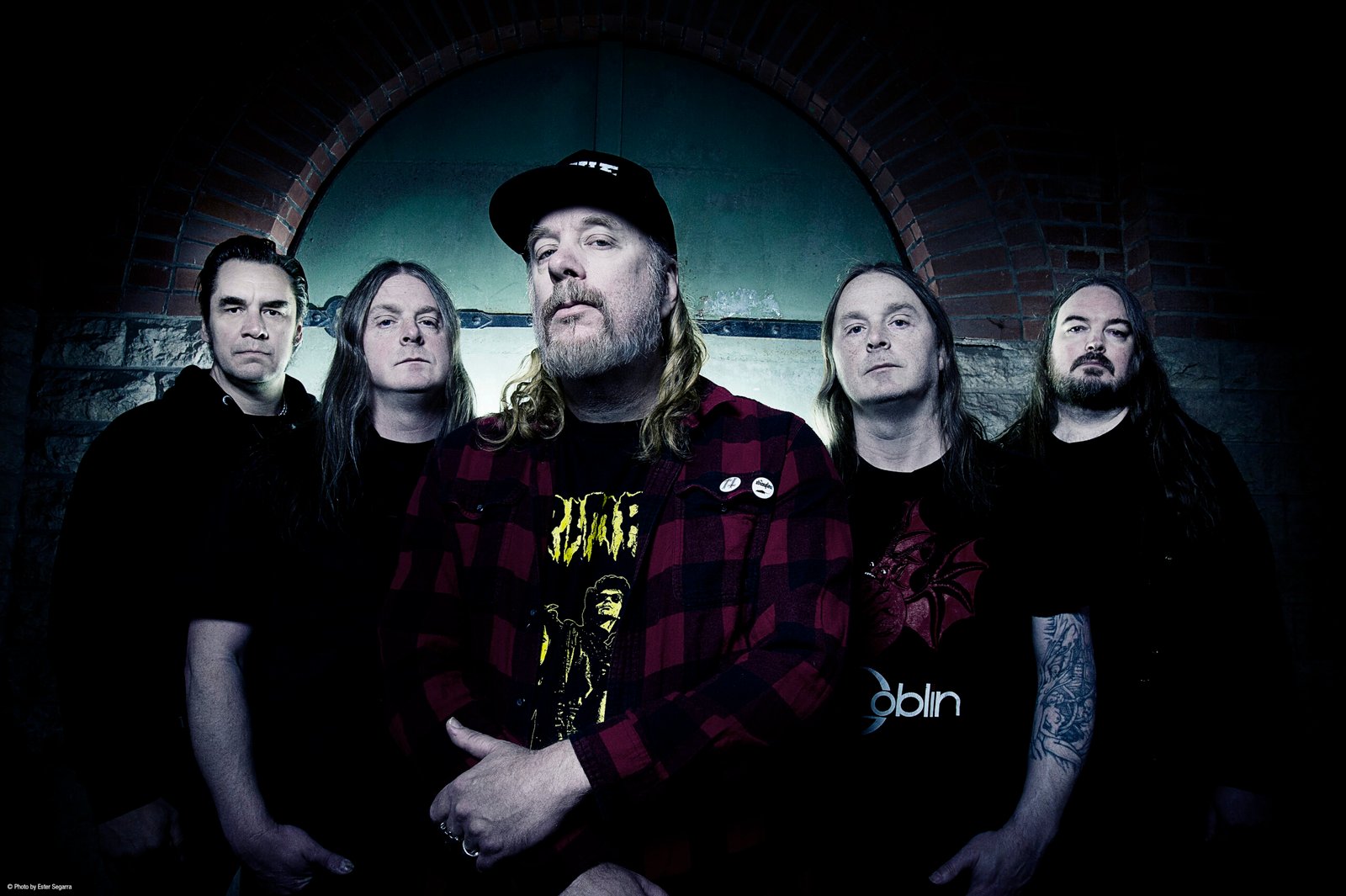
Objectivity is a hard thing to maintain when discussing any music, but it’s especially hard when talking about a band like At the Gates. Part of the classic Gothenburg Three, these Swedes have long been certified legends of the melodic death metal world. The shadow of their influence is practically inescapable, from the loving nods they get from other legends like Opeth and The Black Dahlia Murder to the greater metalcore and melodeath scenes as a whole. Hell, Slaughter of the Soul alone is one of the biggest game-changer albums metal as a whole experienced within my own lifetime (shout out to my colleagues for their A Scene in Retrospect feature from last year).
While my own opinions of bands following their legacy is decidedly mixed, my appreciation for At the Gates is resolute. From their bizarre, caustic early works through their pensive post-reunion albums (hot take: At War With Reality is my favorite album they’ve ever done), At the Gates has always delivered top notch melodic death metal balancing pummeling, catchy grooves with baleful melodies and heartstring-tugging harmonies. The Ghost of a Future Dead, unsurprisingly, lives up to the weight of expectation the band operates under, and proves yet another genuinely affecting album in the band’s storied career.
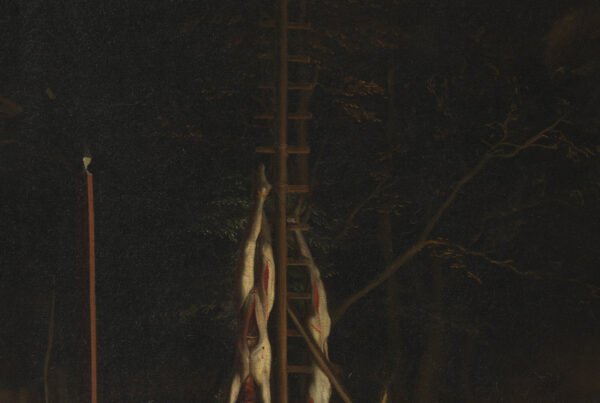
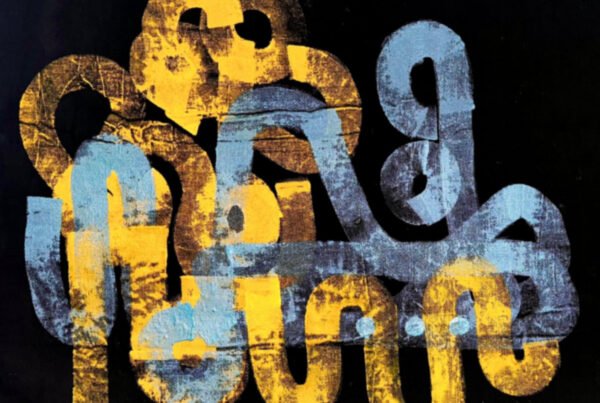
It’s worth remarking, on that note, that The Ghost of a Future Dead manages to pack a serious impact without any real change to the At the Gates formula. It’s a more focused and much less experimental album than its predecessor The Nightmare of Being, facilitated by the return of founding guitarist Anders Björler after a two-album absence. Under his direction, The Ghost of a Future Dead feels much like a true follow up to At War With Reality, down to the crunchy but rugged production style, somber album artwork, and hanging gloomy atmosphere.
Consistency is key across The Ghost of a Future Dead, and “The Fever Mask” kicks things off in style with its cascade of haunting guitar leads handled by Björler and fellow guitarist Martin Larrson. At the Gates‘ style is beyond well-established by this point, and song to song differences generally come down to how the scales tip between aggression and melody. A song like “The Phantom Gospel” will thrive on high speed, down-tuned riffs that are as heavy as anything the band has managed, while “The Dissonant Void” and “The Tomb of Heaven” features grander melodic sweeps that can be genuinely beautiful. “Parasitical Hive” in particular feels like a poster child track for At the Gates‘ dynamic, with churning riffage giving way to its moody, sparse bridge.
That’s not to say that The Ghost of a Future Dead lacks for variation. The carnivalesque intro and Swedish lyrics of “Det Oerhörda” are an early album twist that piques the attention even further beyond the already great songs that precede it. “In Dark Distortion” proves a remarkable standout for its more rock-infused ringing chords and quieter verses, propelled wonderfully by Jonas Björler’s bass and the ever-wonderful drumming of Adrian Erlandsson. At the Gates even sees fit to revive the tradition of a beautiful acoustic-driven interlude with “Förgängligheten” which raises the emotional stakes before “Black Hole Emission” rounds out the album in the classic At the Gates style of deft harmonies and fiery vocals.
So yes, the vocals… it can’t be avoided that any of discussion of The Ghost of a Future Dead will be shadowed by the passing of vocalist Tomas Lindberg in 2025. It was a loss that hit me hard, and I still remember a full misty commute to work the day his death was announced feeling hollow and thinking ‘damn, he’s really gone?‘ The vocals across The Ghost of a Future Dead were demo recordings managed before cancer treatments rendered further recordings impossible. And in his tradition as a metal great, these demo vocals, left largely raw and unadorned, are as powerful and passionate as one could expect from one of metal’s true greats. Ever since At the Gates‘ reunion (and even beforehand via projects like Disfear, and peripherally in bands like The Lurking Fear), I’ve felt that Tompa was one of those rare extreme metal vocalists who kept sounding better with age. His hoarse emotive fury across The Ghost of a Future Dead proves that his fire was never dimmed even as the outlook worsened.
The thing of it is, even without that context The Ghost of a Future Dead remains an outstanding album, and some of the absolute best melodic death metal I’ve heard in quite some time. At the Gates may have been one of the first to take a crack at the melodic death metal sound, but they’ve always damn well been one of the best bands in the genre. This album makes that case once again, and were circumstances considerably different and all the members were still with us, these songs would still be outstanding and doused in that thick deathly, despondent atmosphere that permeates the album. The harshness of the reality around The Ghost of a Future Dead only makes that feeling sting more acutely, and even if there’s not many clear standouts across the album, that’s only because the consistent excellence across songs like “A Ritual of Waste”, “Of Interstellar Death”, and “The Unfathomable” is so great that the whole album proves a long stretch of highlights.
I don’t know where At the Gates is going to go from here. If they soldier on, I’m sure it will be handled with the utmost respect and that the band will continue to deliver only the finest melodic death metal. If this is their final album, then The Ghost of a Future Dead will stand as a beautiful monument to a band that influenced countless followers, and to one of the finest frontmen death metal as a whole had to offer. Rest in peace, Tompa, and as we all say, ‘fuck cancer‘. At the Gates gave this album their whole heart, and any fan of death metal would do well to hear out The Ghost of a Future Dead. It’s just further proof that few could ever do it better than At the Gates.