What else is there to say about Poly-Math? As long as they keep delivering on moment-defining progressive projects that defy convention, a hell of a lot apparently.
Release date: April 10, 2026 | Independent | Facebook | Instagram | Bandcamp
So, I’m just gonna say it upfront because I can’t escape it apparently, but instrumentally speaking, Poly-Math have gone full The Mars Volta this time around. While it’s generally not recommended you go full anything nowadays, bands should always go full The Mars Volta because, at the risk of sounding bitter (I’m not), not even The Mars Volta are doing many of the core tenets of The Mars Volta anymore. It’s time for their sonic sons to rise up and reign.
That’s the final time I’ll be mentioning The Mars Volta for this review because I looked back at my old Poly-Math reviews and I mention them every damn time. To me, it’s simply unavoidable as the progressive threads they both depend on are so apparent, but it’s a crutch and shouldn’t be relied on as I have in the past. It goes without saying, at least for me, that Poly-Math really hit those pretty specific notes of prog rock, mathy tendencies, jazz inflections, and some worldly flair that more bands could stand to (respectfully) incorporate into their work.
Something Deeply Hidden for that matter has some of the biggest music that Poly-Math have ever done which is wild to consider because the band always go big. Both parts of The Cadaver Tomb were darkly electronic and stewing, Zenith was pensive and elevated its sound with saxophone which was welcomed, but now the band contort once again incorporating elements of Ethiopian jazz which seems, from the layman’s perspective, just as expansive and historically anchored as America’s own jazz culture. The love and respect shine through on this album as Poly-Math use it with restraint, yet in a way that still flavors Something Deeply Hidden in a way that hasn’t been done by them yet.
After all, that is Poly-Math‘s greatest asset: chameleonic skill. No album or project of theirs sounds that similar to others despite their continued and consistent reliance on themselves as a foundational band with guitar, bass, drums, and keyboards, although it’s less dense and heavy now which endeared them to more open-minded metal fans in the past. Gone is the saxophone from Zenith, a loss to be sure, but one that doesn’t leave Something Deeply Hidden feeling like something’s deeply missing. The seven tracks here are far too bold to be mistaken for anything else. Hardly even any slow moments to be heard as well.
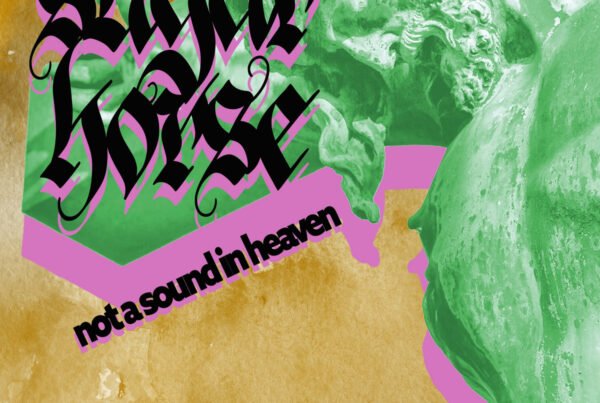
This album has a ploying nature to it, rife with moments that embody a joyful and exacting mood where even though the musicianship is dead serious, it doesn’t take itself too seriously. “Euthyphro Dilemma” represents this feeling well. It plays with scales and technical aspects of music just as it does with your expectations, housing one of the few calmer interlude sections of the album in the middle that spins off into a spaciness I don’t remember hearing since The Cadaver Tomb Pt. 1. Then you get more weirdo affairs like “Terror Management Theory” which is the longest Poly-Math song since House of Wisdom / We Are the Devil. It winds and twists, still holding a rhythm and melody where important to do so, but contains a level of busy abstraction (akin to the cover art by guitarist Tim Walters) that’s not as keenly pronounced in the other songs. In other words, it’s really good.

The whole of Something Deeply Hidden feels explorative in this sense too, and that’s ultimately what makes it such a rousing listen. From the drive of moment one on “The Universe as an Engine”, through the catchiness of “OneTwoThreeFour Body Problem”, to the tent poles I detailed earlier, there’s not a single opportunity to get bored with this album. It simply finds different ways to color in the lines with some straggling bits outside to show the humanity and organic temperament that Poly-Math have always executed high on.
Five, technically six albums in and I don’t know how they continue to change it up and impress as if they were always meant to nail the style of the present. Their foundation is remarkably strong and the dressing around it feels so considered and expertly filed down. Like, what the hell do the outtakes or demos sound like? It’s unrealistic, but Poly-Math just come off as a band that can slay a track live with little planning or rehearsal. At any rate, you can count on any final product from them to be among the best progressive music of the moment. I’m glad they spent some years away to develop something new and fresh, not that they were ever in danger of fizzling out or becoming washed. To the contrary, age seems to instill more brevity and inventiveness among the band and I think that’s pretty inspiring.
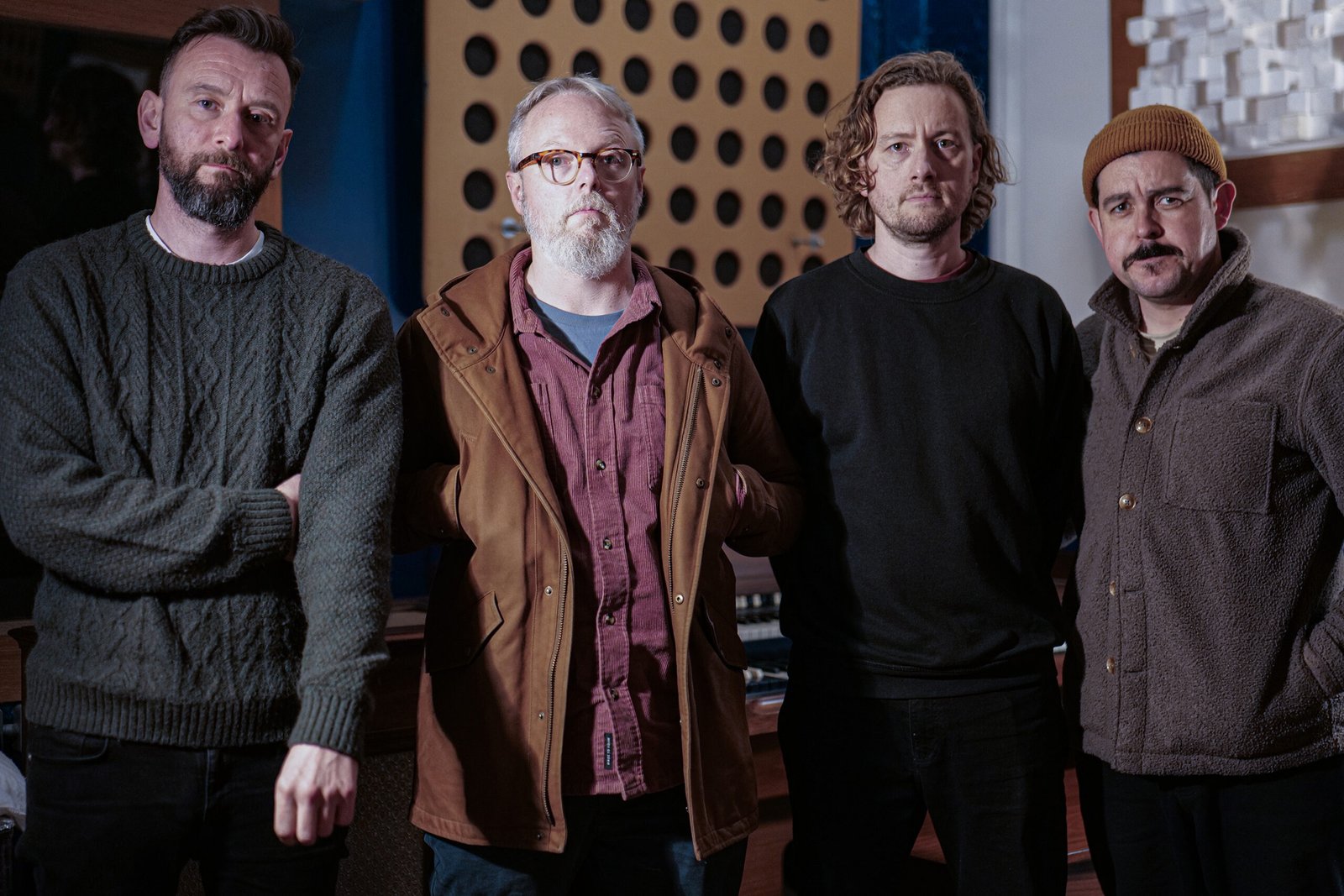
Band photos by Joe Branton