

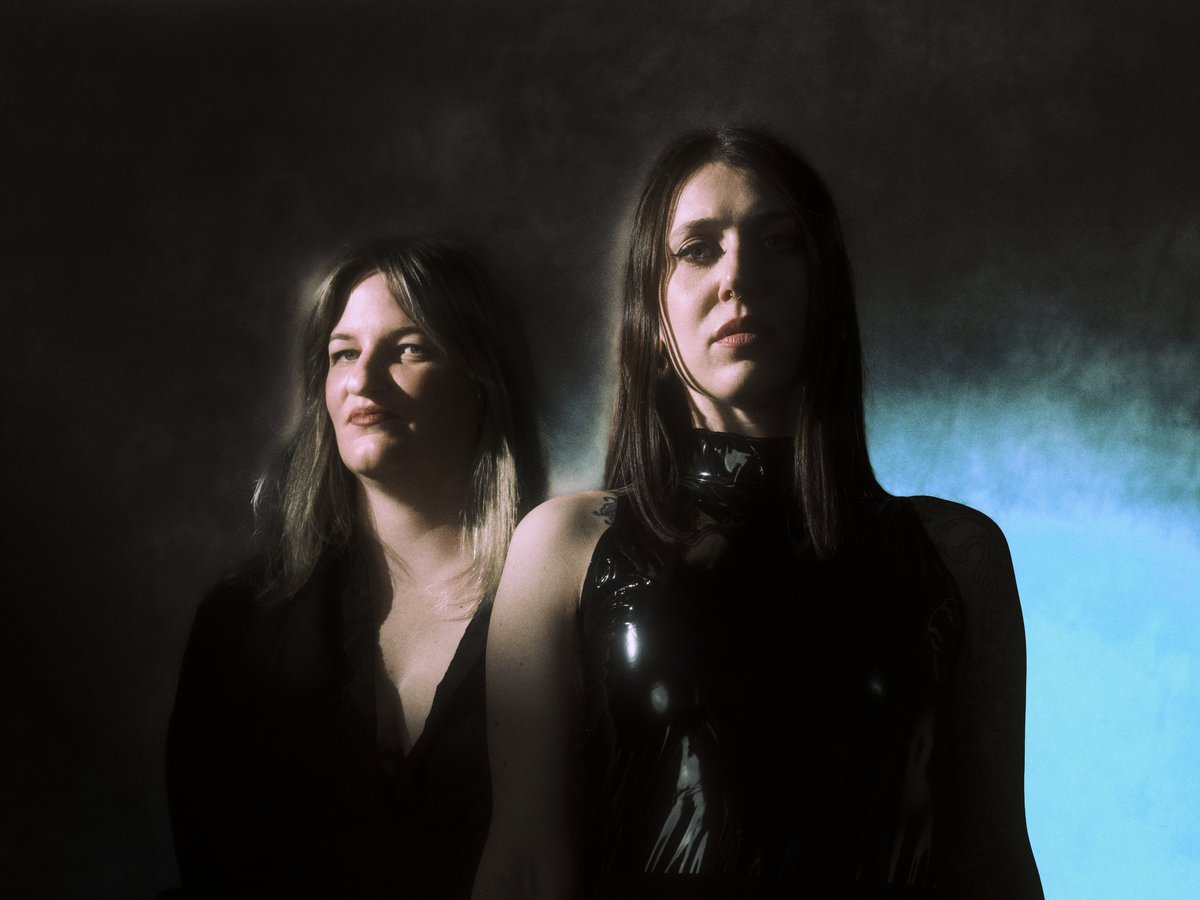
Swiss maestros of doom E-L-R craft a coven-like concoction of cacophony on the atmospheric Atropa
Release date: November 6, 2026 | Prophecy Productions | Instagram | Bandcamp
With the releases of Wolves in the Throne Room’s Estuary and Enslaved’s latest record, Mið , October has made for a suitably spectral month for dark, atmospheric metal. With Atropa, their third full-length, the Swiss band E-L-R continues the trend of dropping records steeped in pain, angst, and fear during the scariest month of the year. Or so they say. Their second album, Vexier, came on the heels of Covid and was one of my favorites from 2022.
Vexier was an atmospheric revelation, the kind of record that sits inside a warm studio with vintage Orange amps, a worn Persian rug on the floor, soft lighting, and the lingering smell of incense and weed. It’s not fair to call it stoner rock, because there’s an artistic intensity to it that’s devoid of any humor. Stoner rock is the sound of communal laughter and digging into the Doritos bag. E-L-R’s music is about taking a couple of hits and sinking into the couch for an hour, softening the sharp edges of life.
This is what makes their music so spellbinding, in the literal sense. E-L-R’s sacred doom is drenched in the deranged pageantry of necromancy. It’s the dead rising from their graves, shaking the bones free of the earthbound peat of a life no longer lived. On Atropa, the band takes what they did on the expansive Vexier and condenses it slightly, bringing more focus and a wry sense of understanding to the darkened doom they specialize in.
The band describes its music as ‘hypnotic rhythms suspended in a haze of eternal reverberation,’ and there’s really no more apt portrayal. Each song exists in a space that echoes as if shouted from the top of a mountain in the Swiss Alps or from the bottom of a well in a 12th-century Bern farmhouse.
The first song, “Oaken Reaper”, doesn’t so much start with a bang as with a festering cloud of nuclear fallout. The song creeps along, close to the ground, as M.K.’s drums lag just a bit behind the melody laid out by I.R. and S.M. on bass and guitar, respectively. It makes the song drag in the doomiest of ways, a slimy journey through the mud of medieval Europe.
Both I.R. and S.M. contribute to the vocals, which are drenched in unabashed reverb and float on top of the guitars, bass, and drums. The production is lush and full, and probably an apt representation of their live sound: an intimate experience of being in a room, surrounding a candle-lit pentagram with a bunch of pale, cloak-bound individuals.
“Archeress”, the narrative centerpiece of the album, is a black metal masterpiece of atmosphere. The band flirts with the emotive tension of Alcest and Agalloch, a mixture of post-rock elegance and furious blasts of shimmering black metal. I.R. and S.M.’s vocals weave in and out of each other as the song is propelled through the ancient mist of a Swiss forest.
On Vexier, the opening song, “Opiate the Sun”, was a twelve-minute opus that introduced the trio to the world. Slow and patient, the song reverberated throughout the band’s oeuvre, a foundational piece of creativity that incorporated all that made E-L-R who they were. The final song on Atropa is the ten-minute-plus “Echo Space”. Glacially paced, the song unfolds slowly, the drums barely a wisp as reverb drenches the band like condensation on a car window in the early morning fog. It’s the closing of the jewelry box, felt on felt, a satisfying clunk of darkened atmospheric doom that sits there, waiting.
Atropa is all about this waiting, be it for salvation or damnation. On the shallow end of All Hallows’ Eve, a release like this beckons our understanding of the spiritual world around us. A séance, a divination, a holy rite of blackened doom, the album has a way of casting a spell that will leave any soul basking in despair with a disturbing comfort on their way to the netherworld, wherever that may be.