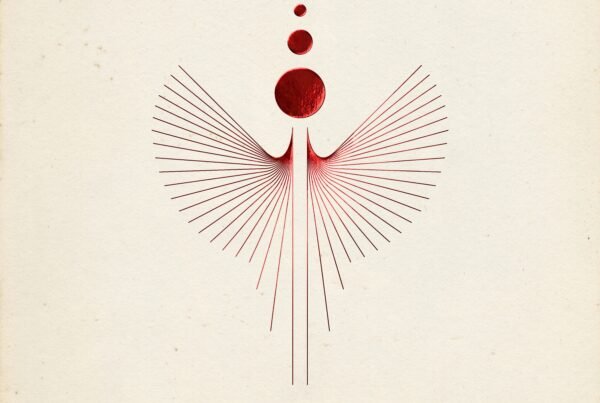


Mad Honey exists in the liminal space between grief and renewal on the poignant and nuanced Bridge Over Cumberland.
Release date: May 15, 2026 | Deathwish Inc. | Instagram | Bandcamp
You know what’s a great English word? ‘Wallow’. The syllables slink off the tongue like a gentle gasp, as if holding back tears, more primal than evolved. So to wallow in sorrow, in some bizarre ways, acts as that last breath inwards. Because after that, there’s no coming back. It doesn’t matter how you ended up in that well of desolation. You could have ran headfirst, or slowly slipped in, without even knowing until it was too late. The road to sorrow may be different for everyone, but those roads all lead to the same place.
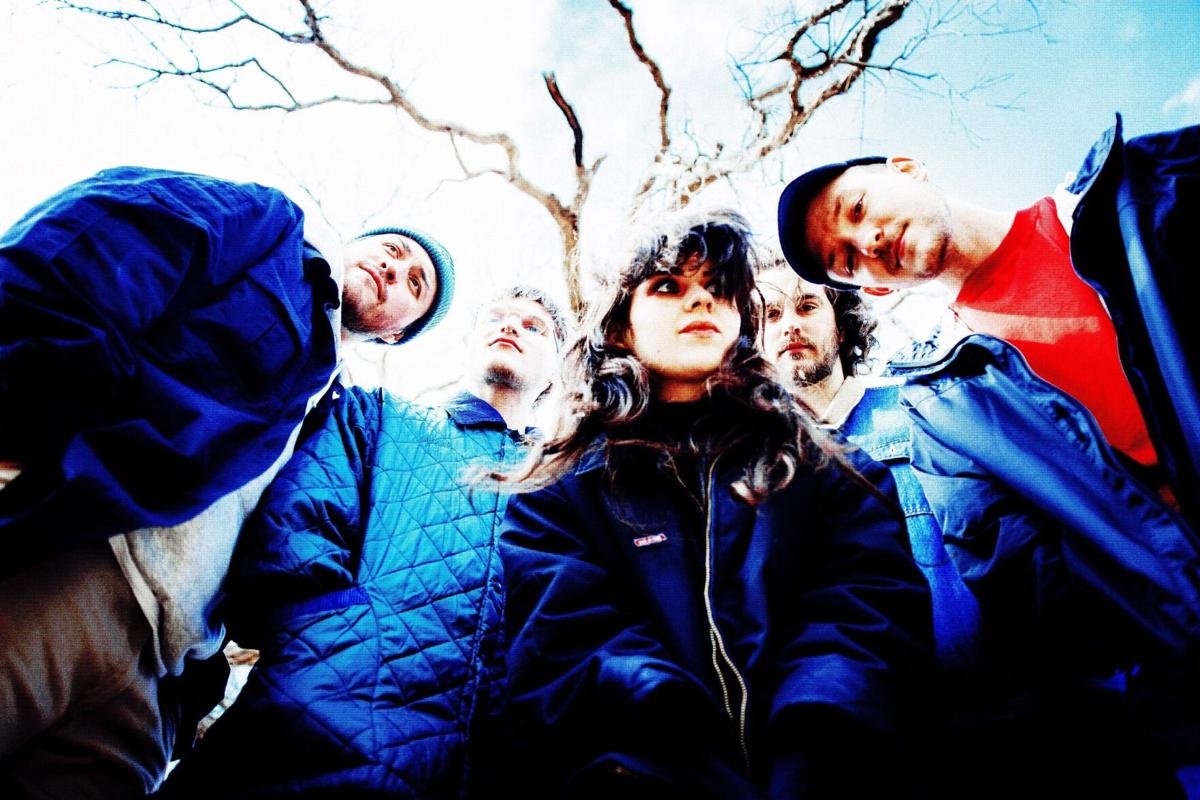
OKC’s Mad Honey may have found a shortcut to that road of misery on their new album Bridge to Cumberland. Their exploration of reflection and introspection is draped in massive layers of acoustic and grunge-infused guitars; sardonic, beleaguered vocals; and a rhythm section that sounds as if they’re unearthing a mass grave. Bridge to Cumberland is about being buried alive, regardless of what’s covering us from above.
The album covers these many faces of grief in different ways, each body another weight on top of us. The melancholia of “Reaching” taps into the band’s indie streak, a mid-tempo groove with an explosive snare, guitars ripping through Big Muffs like a thorn-bush slashing a sunburned thigh. This grunge glory continues on “Somehow”. Tuff Sutcliffe’s vocals are handled deftly by herself and fellow producer Lennon Bramlett, her laconic delivery drenched in wet layers of chorus, soaring over the confident slo-core glory of the band.
Sadness permeates the entire mood of the album, and the band beckons you to join them in the middle of the wallow, rather than coming to you. Bridge Over Cumberland not only hints that there is a way across turbulent waters, but that this crossing can still cause great fear. The bridge is a many-pronged escape. And the band is never so deep into these contradictions than with the beautiful “Natchez Trace Parkway”.
The real Natchez Trace Parkway cuts through the American Southeast like the hidden scar of a knife wound, the bloody hearts that line the waters of the Deep South. The road crosses through burial mound after burial mound, a sad metaphor for the pain that’s literally baked into the soil. Over two thousand years ago, the indigenous people of the Americas would offer tributes to the gods, lighting the bodies of their dead on fire as a bridge to the afterlife.
The song is an apt tribute to these peoples, a dirgey, doom-laden, slab of slo-core despair. The drums and bass drag as if being lugged through the blood-soaked dust of an Oklahoma prairie, a cloud of pain cast behind it. The guitars are sluggish, mud-covered limbs, their strings wrapped around the necks of the dead. “Moshfeghian” is a monolithic mass of malevolence and misery. Guitars go from post-rock shimmers to over-driven, reverb-drenched grungy riffage. ‘I’ll try living,’ Sutcliffe barely murmurs over the controlled cacophony. ‘What else is there to do?‘
The sequencing of the album is deliberate, patient and effective. The second half of the album falls to the bottom of the wallow, fingers listlessly grabbing for something through the nothingness. By the time the band reaches the conclusion on the expansive ten-minute title song, Mad Honey has channeled the reflective, introspective pain of some of the darker Ethel Cain songs. “Bridge Over Cumberland” is the most narrative of the songs, a snippet of life in rural Oklahoma, as dusty and remote as it was two hundred years ago.
Mad Honey‘s third album is the throbbing of an open wound, a reminder that sometimes sadness and pain is the only way to really remind yourself that you’re still alive. And, despite all the inherent malaise, there’s still hope to be found in our communion with each other. In that sense, Bridge Over Cumberland is a sonic support-system, a way of validating that misery is a part of existence, and that all of this is just another way of manifesting mortality in all it’s morbidly beautiful ways. And that’s always worth wallowing in.