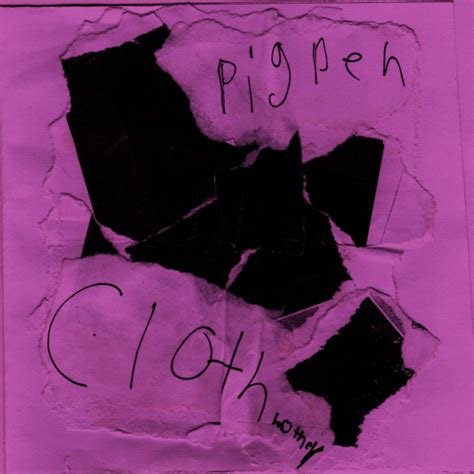
Embrace inescapable chaos, terror, and bass guitar on PIGPEN‘s Cloth Mother
Release date: January 6, 2026 | Independent | Bandcamp | Instagram
When the new year came around and the rush of the holiday season faded, it didn’t take long at all for me to start craving new music. As usual, however, the emergence of new, exciting releases came slowly at first, and because the kinds of bands that put out music in early January tend to be more underground, discovering them took some time. Thankfully before long, Outside Noise came in with a review of Cloth Mother by PIGPEN, a scrappy fistful of sludgy, crusty noise rock that punches well above its production value. I knew it merited a review when I first heard it, and it’s only grown on me as it marinated further.
First, a light bio of the band is in order. PIGPEN is a three-piece band from Seattle with a popular name, not to be confused with the Toronto rockers Pig Pen (fronted by Matty Matheson of The Bear fame), or the Tampa punks also called Pig Pen, or the many other homonymic groups. Bassist Dane Larsen and drummer Aaron Smith formed the band in the late 2010s with lowkey intentions, releasing a few split demos with other Seattle groups. Eventually they decided to go for a full-length on 2025’s Agony & Irony, for which they recruited Rylee Baker on vocals. She was experienced in performing punk and harsh noise through her solo project Halting, and delivered passionate vocals and blaring power electronics to the album.*
Despite her influence, it was still clearly the same band that produced the previous demos: raw, simple, and abrasive bass-driven crust punk. The follow-up Cloth Mother came out just 11 months later, and sees a significant evolution in the band’s sound and songwriting approach, creating an experience which might be less aggressive, but is arguably more confrontational. For me, it recalls the discomfort and volatility of early sludge metal and crust punk bands in a way that most modern groups are unable to pull off.
Where Agony & Irony was a focused blaze of sludgy crust punk, the songs on Cloth Mother take a more flexible and patient approach. Most tracks begin in teeth-clenching noise rock, gradually become noisier, and spiral out into blazes of aggression once the tension can no longer hold. The dynamic structure gives the music a lot more pauses and space, making Larsen and Smith’s unaccompanied bass and drums sound even more bare. That could leave a guitar-shaped void in the record, but PIGPEN use this added emptiness to give more emphasis to Baker’s vocals, making those sections feel intimate, not lacking. Then when the instruments go off, Larsen flexes his technical chops and unleashes two instruments worth of wailing feedback and churning riffs. Meanwhile, Smith’s drumming is organic and urgent, feeding the push and pull of the music and sharpening it like a frenzied knife. This album is recorded live, making it all the more impressive how naturally the two instruments flow together. Finally, the noise electronics from Baker interweave much more intimately with the music than before (there is even an entire noise track on “Tin Can”), providing more of a cohesive atmospheric touch. In just a year’s time, PIGPEN have sharpened their musicianship greatly, and it’s given them a lot more freedom on Cloth Mother.
Lyrically, Cloth Mother wades through the emotional aftermath of trauma, a deluge which rises from the toes to the neck over the course of the album. This begins with the album title, which references a 20th century psychological experiment which raised chimpanzees with milk-filled cloth dolls instead of real mothers. This gave the apes insecure attachment styles for life. Baker parallels this narrative in her lyrics: she describes feeling swallowed by the horrors of the past and consumed by guilt and self-isolation, as if a great floodlight exposes all her misdoings in excruciating detail. She expresses this distress in frantic, almost stream-of-consciousness writing, which creates immobilizing confusion in combination with the unpredictable music. Baker also focuses on her experience as a trans woman, in which familiar spaces become treacherous and her previous identity always seems to lurk in the background, only compounding on the stress of painful memories. Cloth Mother’s more lucid meaning might not come through just by listening to the vocals, but the overwhelming distress inherent in these experiences is clear on first listen. This album can take you from regret, to terror, to explosions of frustrated rage over its course.
Cloth Mother’s rawness, unpredictability, and total vulnerability feel particularly similar to the pioneers of crust punk and sludge metal in my view. I will never forget listening to Eyehategod, Acid Bath, or Dystopia for the first time and feeling repulsed by their blunt depictions of abuse and unwellness. Over time I’ve come to enjoy those bands, but I feel that my initial disgust was an equally valuable experience of their music, because the confrontation of uncomfortable, unwelcome emotions is the point.
I had a similar reaction to Cloth Mother: it confronted me with highly personal and disturbing topics, and on first listen only the allure of banging sludge riffs kept me looking forward to the next. Over time the distressing lyrics became essential to my enjoyment of the album, and that’s a kind of growth I don’t experience as much with most modern sludge and crust groups. While I certainly hope that most bands will not have the same bewildering personal turmoil to share as PIGPEN, I do think this level of blunt emotional vulnerability does a lot to make this kind of music powerful. The effectiveness of Cloth Mother also couldn’t happen without the creativity and skill going into the instrumentals, which make each song feel like a living, breathing, suffering creature. The raw, live recordings further accentuate this tragic humanity of the music.
Not only was Cloth Mother an interesting project to dive into, but it was also a gateway to many other fascinating bands that play similar styles and perhaps influenced the group. The triangle of noise rock, sludge, and crust contains a wealth of music that I feel I’ve only begun to tap into. Bands like My Wife’s An Angel, ‘68, and Show Me The Body are just some examples that I’d recommend to anyone who enjoys PIGPEN, and vice versa. Seeing the quality of music that the band was able to create in just one year leaves me hopeful that even more powerful music in that triangle is on the way.
*This history of the band comes from Baker’s interview with Outside Noise