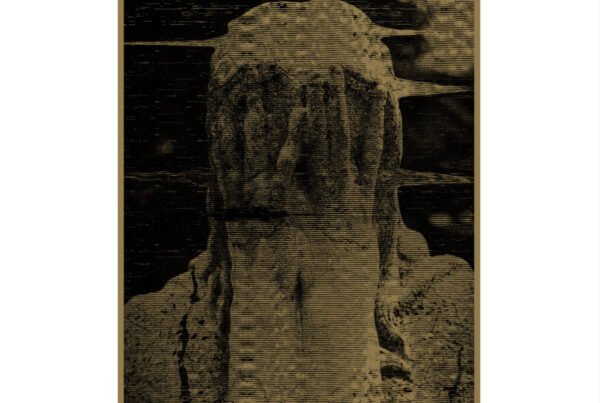


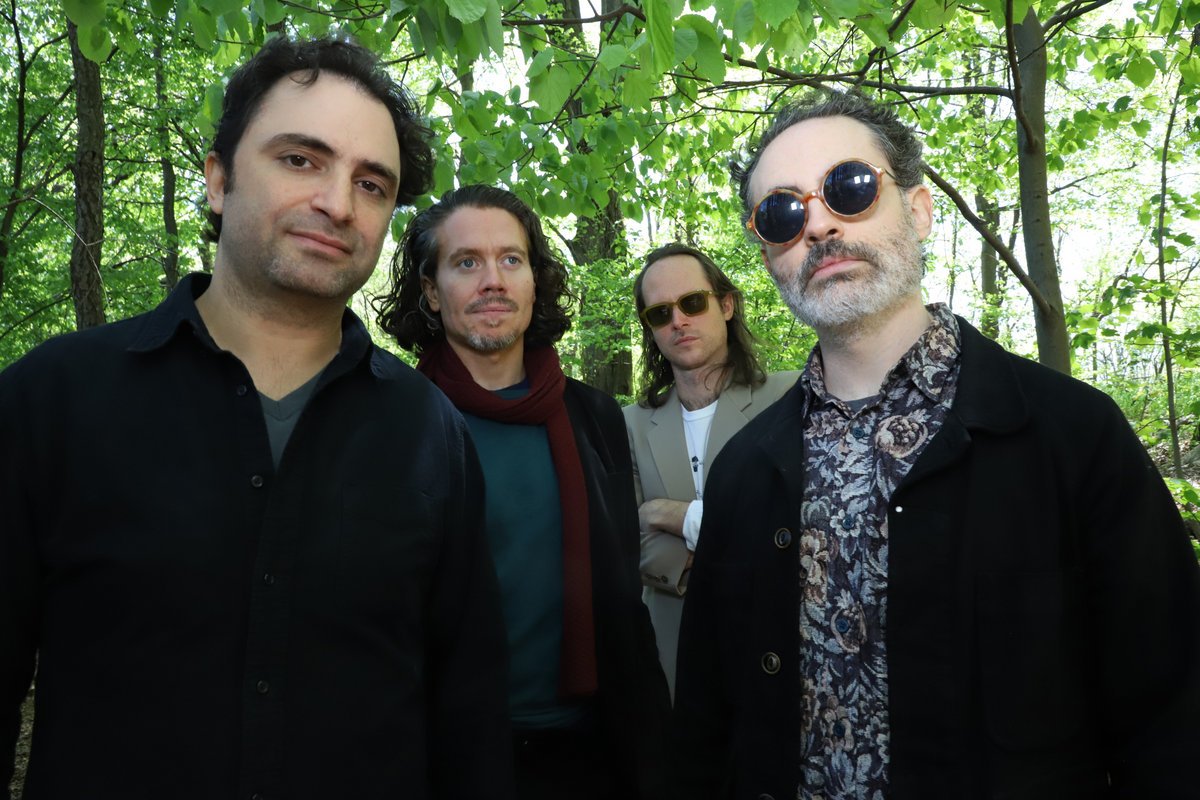
Indie jazz quartet Triple Blind return with a fourth member on their excellent sophomore album, Cold Walk, fusing indie rock with jazz.
Release date: February 27. 2026 | Clandestine Label | Bandcamp
In winter, few people truly venture outside. I get it, but if ice bath challenges are supposed to help with testosterone or health or resilience or whatever, then maybe these practitioners should subject themselves to the elements instead of controlled environments. Take a walk in the dead of winter. Then do it again. Do it daily. It can be a short walk, but truly step outside in sub-zero temperatures. Endure the chaos of gusts of wind, snow, freezing rain. Be cold, but also balance your body over iced sidewalks with uneven terrain. Feel the cold off a nearby lake or river. Build hardiness practically. When you walk frequently in the elements (I walk for transportation), you activate your entire body, in motion, to the kind of discomfort these challenges are supposed to invoke. Most days aren’t as intense as I described, but some are. In all of the chaotic weather that winter can throw a pedestrian, a sense of concentration, determination, and meditation take over.
Perhaps this balance of chaos and calm, focus and spontaneity, is why Triple Blind named their sophomore album Cold Walk. Triple Blind is a jazz combo that formed during the Covid-19 pandemic lockdowns. Their first project, 2021’s Triple Blind saw longtime friends and accomplished musicians, Nick Jost (bass, percussion, organ), Kyle Nasser (woodwinds), and Peter Kronrief (drums, percussion) recording at their respective homes over MIDI skeletons of their songs, improvising, in a way. Through that unusual way of recording jazz, the group used the natural structure to embrace something a little closer to rock music. Jost (also of Baroness) tweaked these recordings through effects, layering, and other sound design tricks, and the Nasser, an experienced band leader, led composition. The album won the Chamber Music America New Jazz Works grant in 2021.
For their second album, Triple Blind enlisted keyboardist Dov Manski (who was featured on two tracks on the previous album) to be part of the ensemble, and set out to record in the exact opposite way of their debut. This time, the tracks were recorded live in the revered Dreamland Recording Studio, a converted church in New York that boasts an incredible list of recording alumni, from The Band to Bad Brains to Joe Jackson to Herbie Hancock as well as a who’s who of 2000s indie rock heroes like The National, Fleet Foxes, and Yeasayer, among many others. While the pedigree of the studio may not seem important, the studio itself very much is, so much so, that it is virtually a 5th member of the group. Throughout Cold Walk, you can hear the echoes and reverberations of the space, the vibrations of cymbals or the kick drum being picked up by the bass and the way saxophones sound fuller and warmer. Audiophiles love talking about “hearing the space” between instruments or “sound stages”, and this album has that in spades.
Though the recording style has changed, Triple Blind haven’t faltered in their musical excellence or pop/rock sensibilities. While Cold Walk is decidedly a jazz album, the chaotic nature of a winter stroll in the many kinds of weather that may arise can be gleaned from every track. Triple Blind‘s comfort zone is in a chilled out pocket, but shifts can happen unexpectedly, propelling the listener into complex arrangements that sting your cheeks before settling into the kind of scenic quietness of a midnight snow. Opener “Bask”, for instance, slowly builds like the opening credits of a film, unveiling greater levels of cautious revelations from unexpected percussion fills while a more melodious saxophone emerges to carry us out of the track. It is a lovely introduction, but it is followed by “Chaotic Eyes”, who’s sense of cinema is less opening credits and more like a dramatic chase scene through a busy city, market stands getting disheveled and bystanders getting shoved aside as our hero ducks in and out of alley ways. At times this track is sneaky, lulling the listener into a sense of calm before some new calamity unfurls.
A good portion of the tracks land a little closer to something like psychedelic prog jazz. “Song For Zayn” and “Move Still” are both in this camp, with the former feeling more like a ballad, each instrument moving quietly and deliberately across a slick path where one wrong step would collapse the mood. Triple Blind makes no missteps, just the occasional creaking of ice underfoot. “Move Still” on the other hand, plays out like a classic prog rock track, complex yet focused like Dark Side Of The Moon meets King Crimson‘s Red, complete with a sense of soulfulness and a sexy sax solo before giving way to a closing organ passage that is easily my favorite moment on the record, a difficult achievement when so many moments are memorable and lovable. While each track is its own vibe, one last track worth noting is the closer, “Yarn Spin” whose organ tones invoke a yacht rock vibe before the track dissipates into a calm, serene moment like drifting through the cosmos and noticing the twinkle of distant galaxies with each new turn of your head before swelling up once again like Joe Jackson‘s “Steppin’ Out” in full, glorious crescendo and groove.
If Triple Blind set out to make a jazz record that would appeal to indie and rock fans, they have succeeded spectacularly. This is the kind of album that I would show to someone new to jazz, but experienced in some more experimental rock sounds. If you are a jazzhead, this album still satisfies, deeply. Triple Blind exhibit excellent musicianship without veering into pretension or wankery, and the sound of the recording itself amplifies every choice and detail into a tapestry of perfectly balanced and continuously engaging jazz. Cold Walk is a great choice for winter listening as much as it is for nighttime drives or moments of reflection, and could be considered a crossover approach to jazz.